
Discover how we are implementing the 2030 Agenda goals: Concrete measures, examples and practical tips for sustainable development in Germany. Together, we are committed to protecting the environment, climate and society!
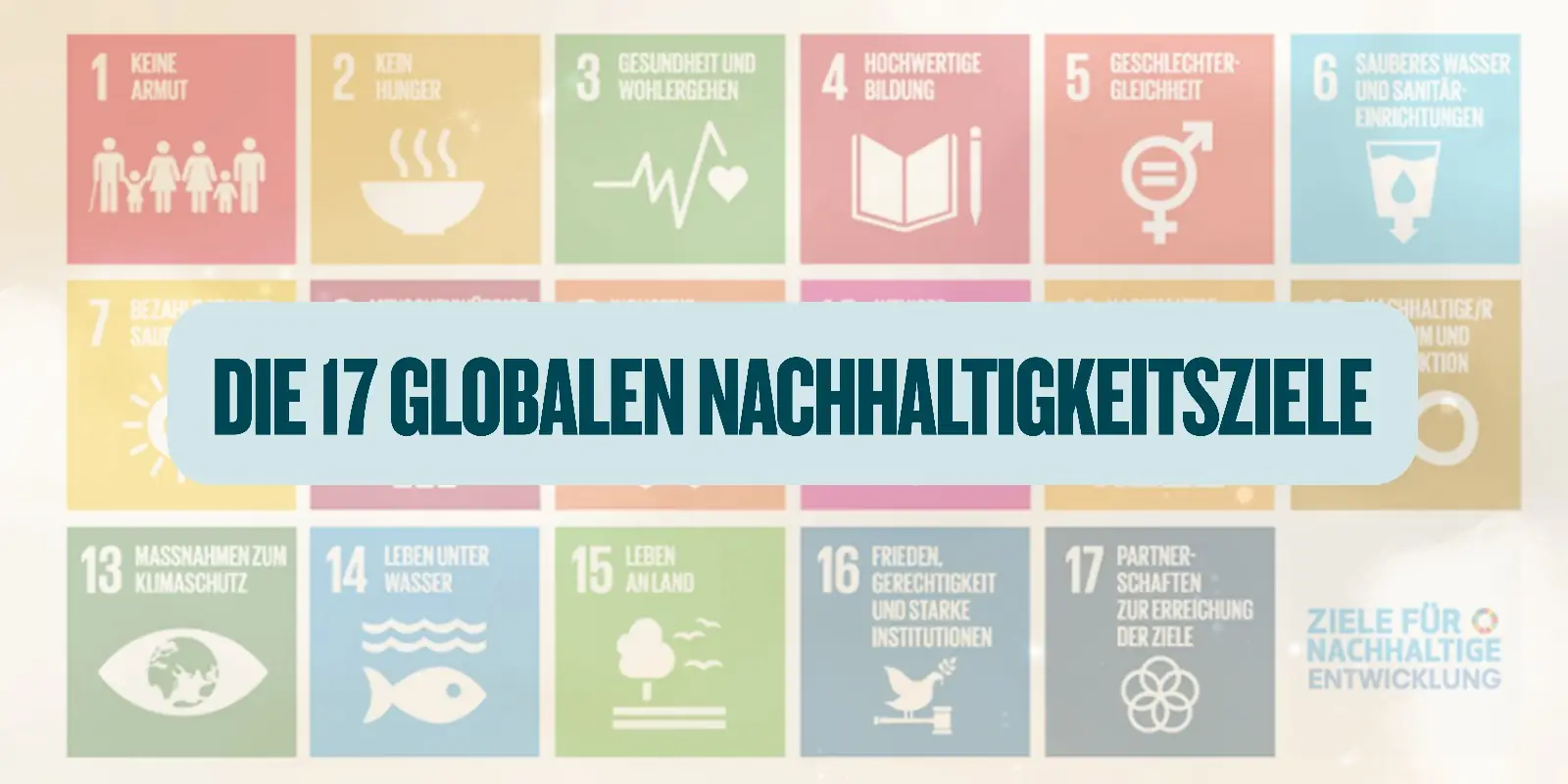
Implementing the 2030 Agenda Goals: Germany’s Responsibility for the Future
Implementing the 2030 Agenda goals is far more than a political guideline – it is a task for society as a whole. Climate change, resource scarcity and social inequalities affect each and every one of us. Germany faces the challenge of creating a livable future for coming generations by implementing the 17 Sustainable Development Goals (SDGs) of the United Nations.
What does implementing the 2030 Agenda goals mean?
For the German government, implementing the 2030 Agenda goals means intelligently linking ecological, social and economic development. The 17 SDGs range from poverty reduction and education to climate protection and responsible consumption. Sustainability is therefore no longer just a political task, but a necessity in everyday life and in the economy.
Germany’s Status Quo: Progress and Challenges
- Progress: Reduction of greenhouse gas emissions, expansion of renewable energies, and stronger consideration of ecological standards in companies.
- Challenges: High resource consumption, insufficient waste prevention, social inequalities, and consumption that is not yet fully sustainable.
Implementing the 2030 Agenda goals requires the commitment of politics, business, and citizens alike.
Implementing the 17 Sustainable Development Goals of the 2030 Agenda
Here is a brief overview of how implementing the 2030 Agenda goals can be put into practice in everyday life:
- No Poverty: Fair social policies, targeted support, and integration of disadvantaged groups.
- Zero Hunger: Sustainable agriculture, regional products, and combating food waste.
- Good Health and Well-Being: Promotion of smoke-free spaces, access to toxin-free products, and prevention.
- Quality Education: Sustainability as a mandatory subject and lived practice in schools, universities, and companies.
- Gender Equality: Transparent production chains, promotion of diversity, and equality in projects.
- Clean Water and Sanitation: Wastewater treatment and protection of water resources, e.g., through biodegradable products.
- Affordable and Clean Energy: Expansion of renewable energies and promotion of energy-efficient production methods.
- Decent Work and Economic Growth: Fair working conditions, sustainable growth without environmental destruction.
- Industry, Innovation and Infrastructure: Promotion of resource-efficient innovations and expansion of sustainable infrastructures.
- Reduced Inequalities: Fair trade, technology exchange, and targeted support projects for weaker regions.
- Sustainable Cities and Communities: Reusable and compost solutions, recycling initiatives, sustainable urban development.
- Responsible Consumption and Production: Buy regional, avoid waste, and use resource-friendly alternatives.
- Climate Action: CO₂ reduction, energy efficiency, and use of sustainable products.
- Life Below Water: Avoid plastic waste and promote biodegradable alternatives.
- Life on Land: Protect soils, biodiversity, and promote sustainable land use.
- Peace, Justice and Strong Institutions: Transparent regulations for all areas of society.
- Partnerships for the Goals: International exchange of experience, cooperation with companies and organizations.
Practical Tips: Implementing the 2030 Agenda Goals in Everyday Life
- Consciously choose regional and seasonal products.
- Consume sustainably: products with eco-labels, plastic-free alternatives (such as plant-based straws), reusable and recycled options.
- Produce less waste, promote composting and upcycling projects.
- Save energy with energy-efficient household appliances and renewable energy sources.
- Save water by protecting drains and using biodegradable cleaning products.
- Use sustainable reusable products at events and avoid single-use plastics.
Best Practice: How Implementing the 2030 Agenda Goals Works in Practice
- The use of compostable everyday products reduces the ecological footprint.
- Educational projects make sustainability tangible for children and young people.
- Broadly accepted standards and transparent labels promote sustainable consumption.
- Gastronomy businesses and event organizers rely on ecological alternatives and raise awareness among guests.
Sharing Responsibility: Why Every Individual Counts
Implementing the 2030 Agenda goals can only succeed if everyone works together: politics sets the framework, companies develop sustainable products and services – and citizens make everyday decisions that have a big impact. Every consumption decision helps reduce waste and emissions and conserve resources.
Conclusion: Implementing the 2030 Agenda Goals Is Both a Challenge and an Opportunity
Implementing the 2030 Agenda goals requires will, knowledge, and commitment. Those who consume consciously, avoid waste, and use sustainable alternatives contribute to the next generation. With consistent implementation of the 2030 Agenda goals, Germany can become a role model for genuine sustainability – both on a small and large scale.
hidden danger of glass straws: hidden danger of glass straws – what you need to know
hidden danger of glass straws: Viral TikTok video warns of splinters, injuries and hygiene risks....
Read morehome compostable versus industrial compostable: What really is compostable and how to dispose of it correctly
home compostable versus industrial compostable: Learn the real difference, which materials belong where, and why...
Read more4-bin system in Hamburg: 4-bin system in Hamburg for better waste separation and recycling
4-bin system in Hamburg: Learn how organic, paper, recycling and residual waste bins improve waste...
Read moreINTERGASTRA 2026: INTERGASTRA 2026 in Stuttgart – Natur-Strohhalme presents sustainable vegetable straws for gastronomy
INTERGASTRA 2026 in Stuttgart: Discover Natur-Strohhalme with sustainable vegetable drinking straws for gastronomy, hospitality and...
Read moreGreen Skills: How Green Skills Are Shaping the Sustainable Future of Work
Entdecken Sie, warum green skills wichtig für die Zukunft der Arbeit sind. Erfahren Sie, was...
Read moreWinter Skincare in Harmony with Nature: Tips for Healthy and Sustainable Skin
Discover how Winter Skincare in Harmony with Nature protects your skin from cold, dryness, and irritation. Learn...
Read moreClimate Change and Food Security: Protecting Our Nutrition for the Future
Endangered Foods – Learn How Wheat, Coffee, Peanuts and Grapes Are Threatened by Climate Change...
Read more962 Tons of Waste: Sustainable Solutions for Oktoberfest and Major Events
962 Tons of Waste – How Oktoberfest Produces Massive Amounts of Trash Every Year, What...
Read more