
Endangered Foods – Learn How Wheat, Coffee, Peanuts and Grapes Are Threatened by Climate Change and Environmental Shifts. Plus, Discover Strategies for Sustainable Consumption and Protecting Our Favorite Products!
Endangered Foods: Causes, Examples and Solutions for the Future
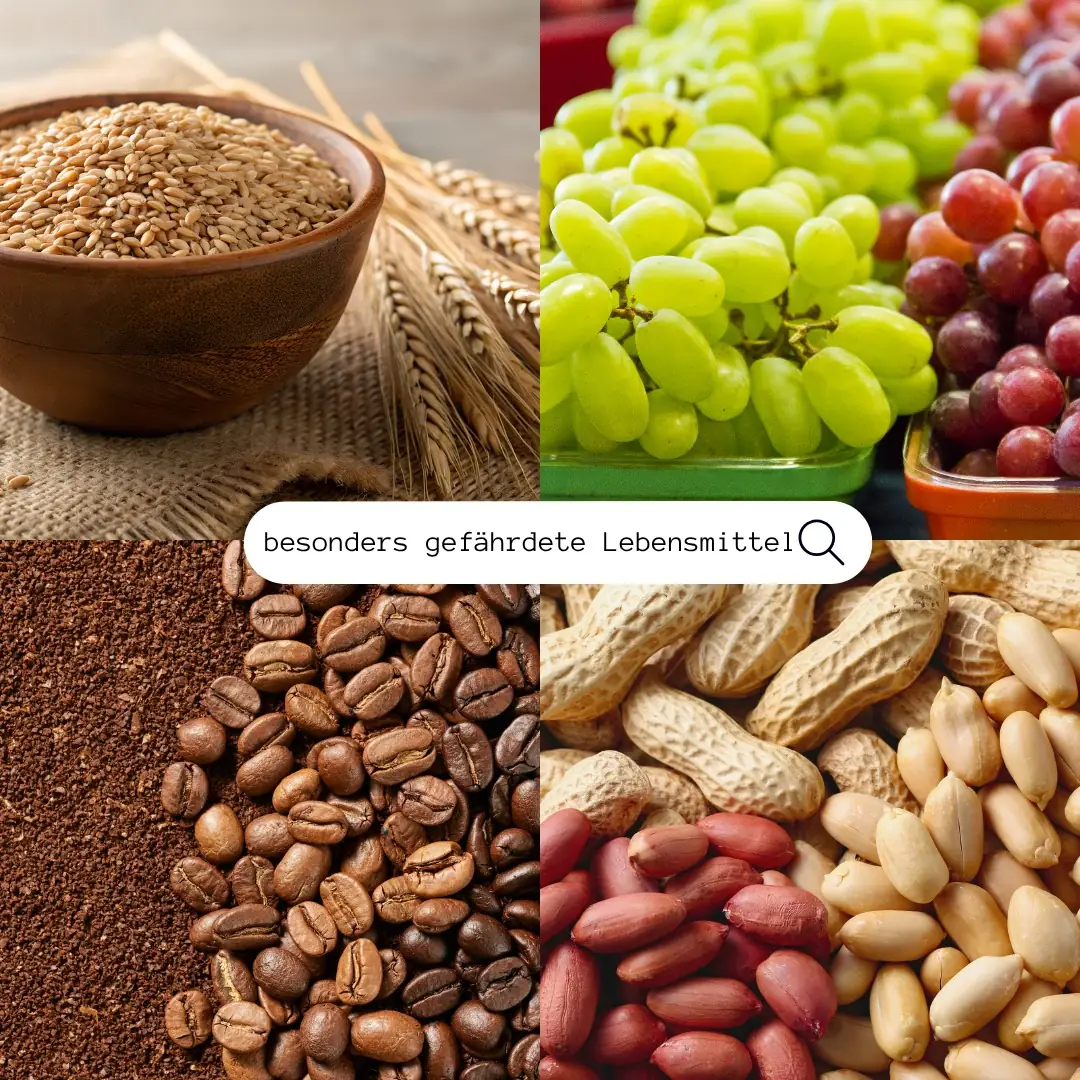
Endangered foods are increasingly coming into focus when issues such as climate change, environmental destruction and resource scarcity are discussed. Few changes affect everyday life, enjoyment and food security as directly as the threat posed by extreme weather or shrinking cultivation areas. Fresh bread, aromatic coffee, peanuts as a snack and fine grapes for wine – many of these products are now considered highly endangered foods, with a future that is anything but secure.
Climate Change as the Main Cause of Endangered Foods
Climate change alters temperatures, rainfall patterns and leads to more frequent weather extremes such as droughts, floods or heatwaves. For endangered foods such as wheat, coffee, peanuts and grapes this means:
- Reduced harvest yields and rising production costs
- Loss of quality due to heat, drought or pests
- Shifts in cultivation areas and greater fluctuations in price and availability
Higher temperatures, water scarcity and soil degradation pose risks not only for farmers but also for global food security. In the Great Plains of the USA, for example, a temperature increase of just a few degrees could reduce wheat yields by 25%.
Wheat – The Threatened Staple Food
Wheat is one of the most important foods worldwide. Climate-related stresses mean that this crop is considered an extremely endangered food.
- Temperature stress: Optimal conditions are 21–24 °C; higher heat reduces yields.
- Drought and water stress: Dry periods and irregular rainfall stunt plant growth.
- Soil quality: Heat and erosion render formerly fertile fields unusable.
One of the greatest impacts of endangered foods is the rising price of products such as bread and pasta – especially for countries dependent on imports.
Coffee – The Endangered Pleasure
Coffee is a key product worldwide for millions of people and an essential economic sector in tropical countries. Without specific climate conditions, coffee cannot thrive.
- Loss of suitable cultivation areas: The Coffee Belt around the equator is losing its climatic suitability.
- Temperature fluctuations: Beans ripen too quickly, aroma and flavor suffer.
- Pests and diseases: Humid climates foster the spread of fungi and insects.
Studies predict up to 70% less coffee production in some regions by 2050 if no countermeasures are taken.
Peanuts – A Protein Source Under Pressure
Peanuts are versatile, yet also classified as endangered foods. Very high temperatures (above 36 °C), drought, or extreme rainfall dramatically reduce yields.
- Unstable weather and high temperature fluctuations impair flowering and pollination.
- Traditional growing regions face economic difficulties and crop failures.
According to studies, each additional degree of warming leads to about 6% lower peanut yields, threatening supply in many countries.
Grapes – Wine and Table Grapes as Endangered Foods
Viticulture is both culture and economy, in Europe and worldwide. Grapes are sensitive – heat and changing rainfall lead to fungal infestations, loss of flavor, and yield fluctuations.
- Faster ripening: Grapes lose character, wines change their profile.
- Soil problems: Heat, drought, and erosion complicate cultivation and require new irrigation methods.
- Regions lose suitability: Some classic grape varieties in France are becoming too hot for high-quality wines.
Winegrowers and farmers are trying to establish heat-tolerant varieties or move to higher-altitude cultivation areas.
How Endangered Foods Can Be Protected
To preserve endangered foods, action is needed on several levels:
- Climate Protection and Emission Reduction
- Move away from fossil fuels, expand solar and wind energy
- Support sustainable agriculture and transparent supply chains
- Reduce methane, CO₂, over-fertilization, and pesticides
- Adaptation of Agriculture
- Promote resilient varieties and innovations
- Improve soil, water, and plant protection
- Provide training and technical support for small farms
- Changing Consumption Behavior
- Consume fewer endangered foods, prefer regional and seasonal alternatives
- Avoid food waste, choose sustainable quality (organic, fair trade)
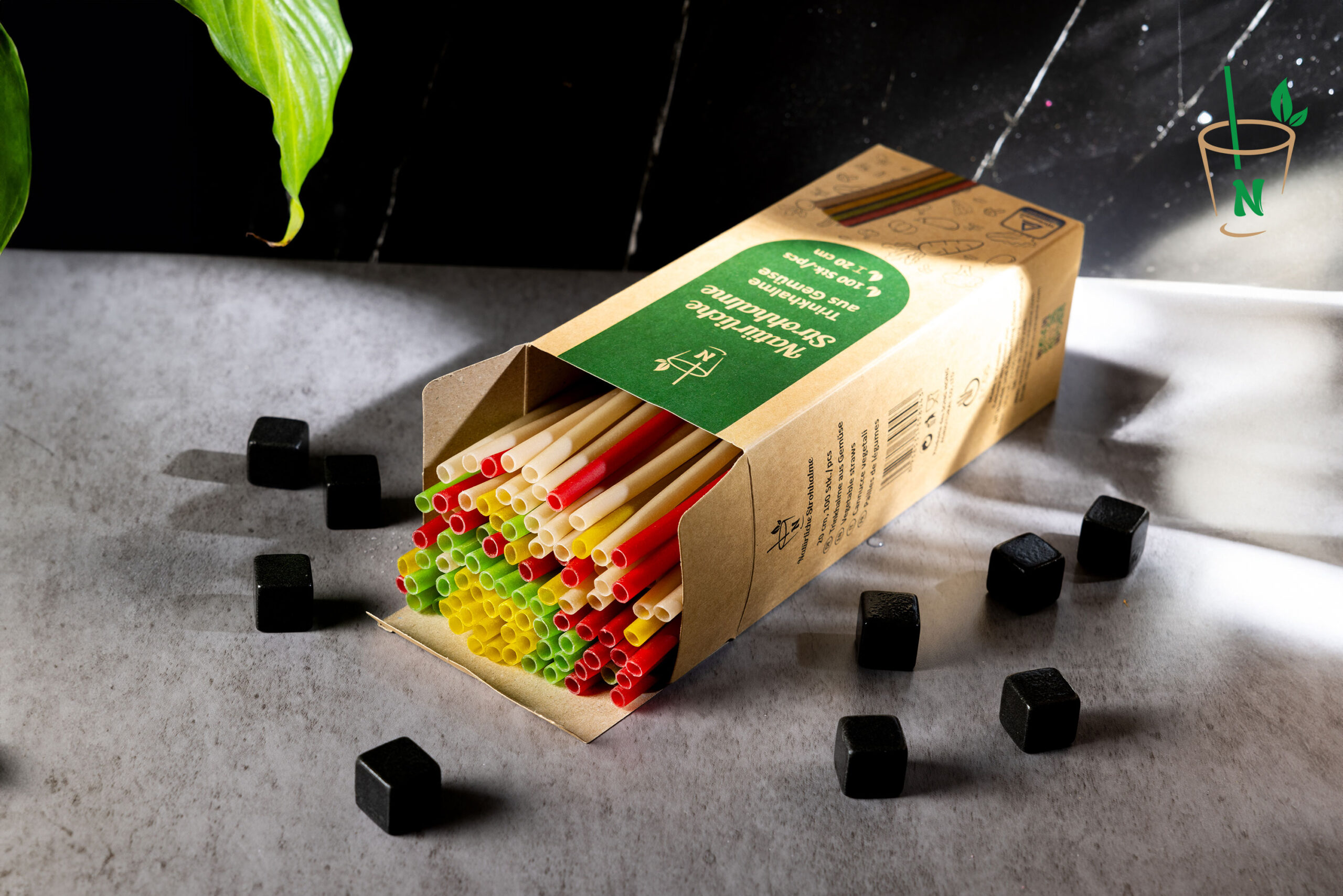
- Use reusable products, e.g., plant-based straws instead of plastic straws
- Society and Politics
- Laws and funding programs for sustainable cultivation, better water protection, and ecological innovation
- Promote research and development in seeds, plant diseases, and cultivation practices
- Strengthen international cooperation to guarantee global food security
The Importance of Endangered Foods for People and Society
The loss of endangered foods affects more than enjoyment. It is about:
- Food security for billions of people
- Price increases that especially affect poorer households
- Job losses and regional economic crises, particularly for small farmers
- Cultural identity and social traditions around products such as bread, wine, or coffee
Action Possibilities for Consumers and Companies
You can contribute to saving endangered foods by:
- Buying seasonal and regional products, avoiding those from high-risk regions
- Choosing certified sustainable brands and fair-trade products
- Supporting projects, initiatives, and NGOs that promote biodiversity and adaptation in cultivation
- Reducing waste, using innovative alternatives, and staying informed about new developments
Conclusion: Endangered Foods Are Both a Challenge and an Opportunity
Endangered foods highlight how ecological, social, and economic developments shape our future. Yet every decision for sustainable consumption, resource protection, and innovation helps secure the survival of wheat, coffee, peanuts, grapes, and many other products. Joint action – from consumers to politics – is the key to ensuring that endangered foods remain part of our nutrition and culture tomorrow.
hidden danger of glass straws: hidden danger of glass straws – what you need to know
hidden danger of glass straws: Viral TikTok video warns of splinters, injuries and hygiene risks....
Read morehome compostable versus industrial compostable: What really is compostable and how to dispose of it correctly
home compostable versus industrial compostable: Learn the real difference, which materials belong where, and why...
Read more4-bin system in Hamburg: 4-bin system in Hamburg for better waste separation and recycling
4-bin system in Hamburg: Learn how organic, paper, recycling and residual waste bins improve waste...
Read moreINTERGASTRA 2026: INTERGASTRA 2026 in Stuttgart – Natur-Strohhalme presents sustainable vegetable straws for gastronomy
INTERGASTRA 2026 in Stuttgart: Discover Natur-Strohhalme with sustainable vegetable drinking straws for gastronomy, hospitality and...
Read moreGreen Skills: How Green Skills Are Shaping the Sustainable Future of Work
Entdecken Sie, warum green skills wichtig für die Zukunft der Arbeit sind. Erfahren Sie, was...
Read moreWinter Skincare in Harmony with Nature: Tips for Healthy and Sustainable Skin
Discover how Winter Skincare in Harmony with Nature protects your skin from cold, dryness, and irritation. Learn...
Read moreClimate Change and Food Security: Protecting Our Nutrition for the Future
Endangered Foods – Learn How Wheat, Coffee, Peanuts and Grapes Are Threatened by Climate Change...
Read more962 Tons of Waste: Sustainable Solutions for Oktoberfest and Major Events
962 Tons of Waste – How Oktoberfest Produces Massive Amounts of Trash Every Year, What...
Read more