Metal straws can be dangerous. Learn why natural straws made from plant-based materials are the safer, more sustainable alternative for families and catering.
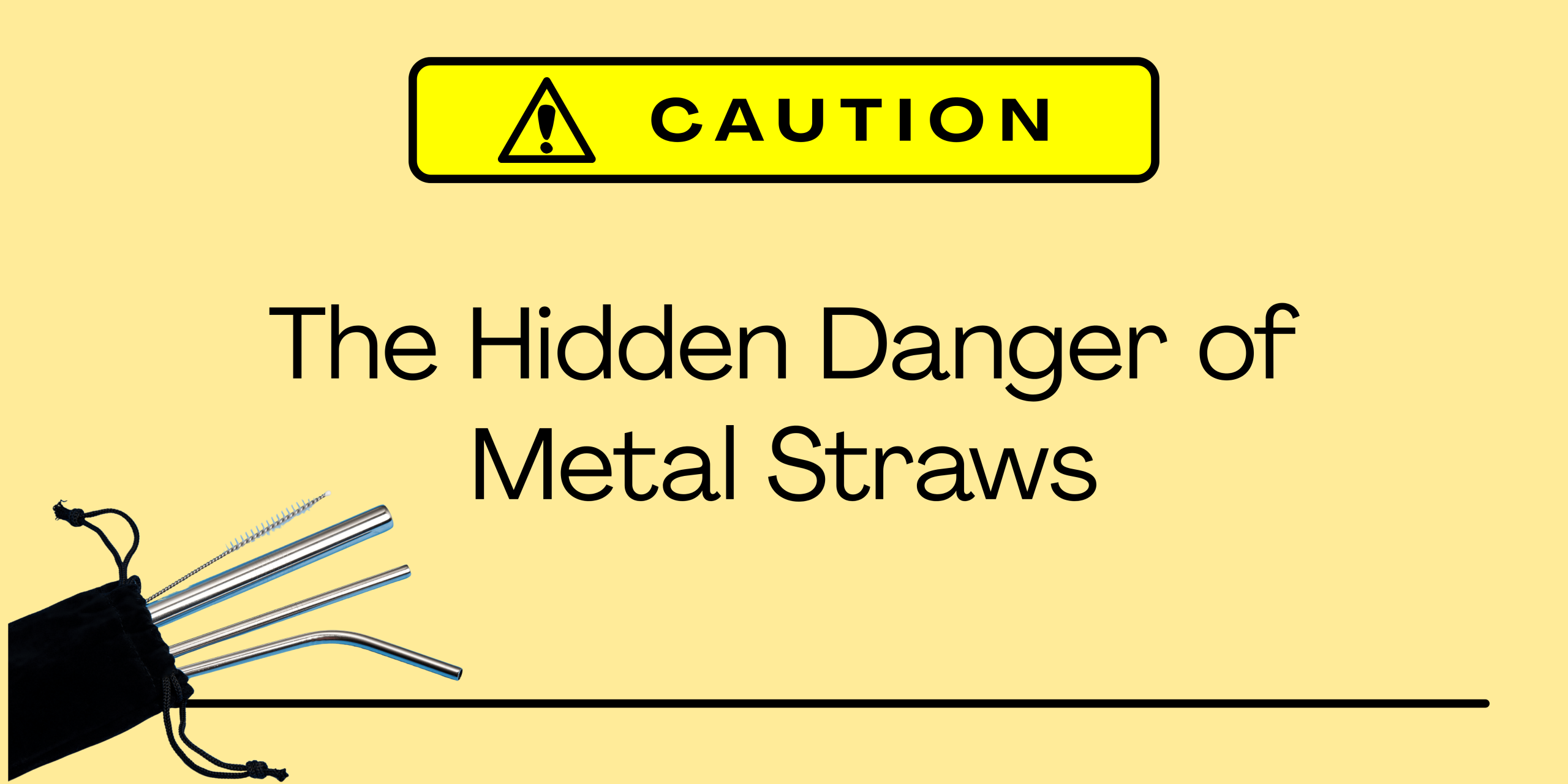
The Hidden Danger of Metal Straws: Why Natural Straws are the Safer Choice
Natural straws are becoming increasingly important in modern gastronomy and private households because they bridge a critical gap: the combination of ecological responsibility and maximum safety. While metal straws have long been seen as the symbol of the sustainability movement, their hidden risks are now increasingly coming into the public eye. In this article, we take a close look at why a robust design does not automatically mean safety and why natural straws are the sophisticated evolution for a plastic-free future.
The Rise of Metal Straws: A Look at the Benefits
Before we analyze the risks, it is important to understand why metal alternatives became so popular. Since the restriction of single-use plastic, consumers and restaurateurs have been looking for long-lasting solutions.
- Durability: They are usually made of stainless steel, are dishwasher safe, and almost indestructible.
- Image: They signal environmental awareness and fit perfectly into a sustainable lifestyle.
- Aesthetics: In high-quality bars, they often act as a premium accessory.
However, despite these visual and ecological advantages, there is a downside that is often underestimated: safety in everyday life.
 Why Metal Can Be Dangerous in the Mouth
The greatest advantage of metal—its extreme hardness—is simultaneously its most dangerous disadvantage. Metal is rigid, inflexible, and does not give way under pressure. This leads to specific problems:
1. The Risk of Injury During Falls
If a person trips or falls while using a metal straw, it can act like a rigid lever. Since the material does not yield, a potentially dangerous puncture point is created that can lead to severe injuries.
2. Temperature Conduction and Hygiene
Metal conducts heat and cold very strongly. This can lead to burned lips with hot drinks or uncomfortable “cold burns” with ice-cold beverages—a risk that particularly affects children and the elderly. Additionally, cleaning the inside is demanding; even with brushes, residues from milkshakes or smoothies can remain in small scratches and form breeding grounds for bacteria.
Real Accidents: When Sustainability Becomes a Danger
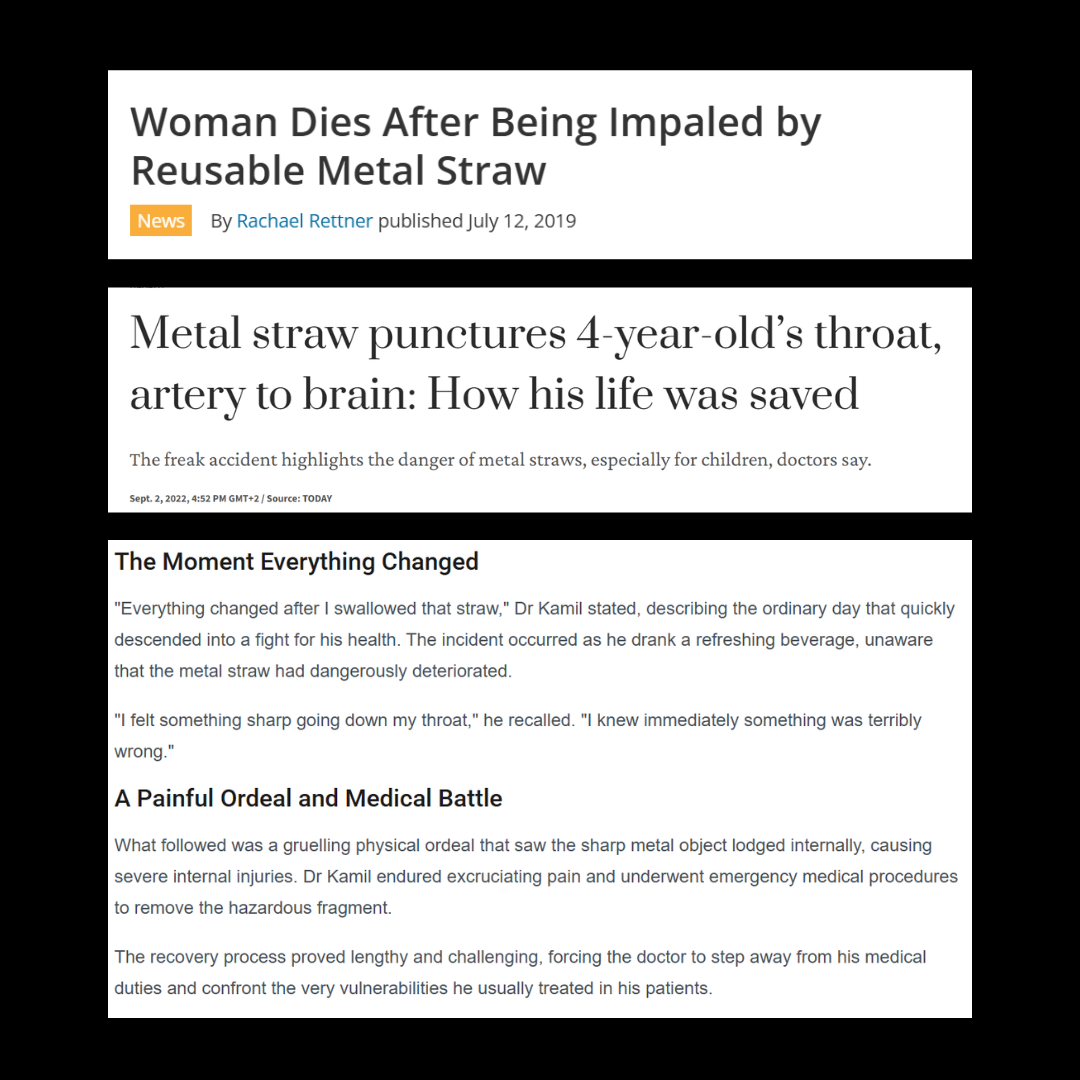
The fact that these are not just theoretical risks is shown by documented incidents in recent years. These cases illustrate why experts often compare metal straws to dangerous objects like pencils or chopsticks.
The Fatal Accident in the UK (2018)
A 60-year-old woman with mobility issues passed away after a fall where a metal straw, fixed in a lid, pierced her eye socket and injured her brain. The coroner emphasized that the straw was “absolutely rigid” and offered no way to give way when combined with a fixed lid.
Severe Injury to a Child in New York (2022)
A four-year-old named Charlie pierced his tongue and injured his internal carotid artery while playing with a metal straw in his mouth. Only complex emergency surgery saved his life. The treating physicians later gave a clear warning: metal straws are fundamentally unsuitable for children.
The Industry’s Response: The Starbucks Recall
As early as 2016, Starbucks recalled millions of metal straws after reports of cuts to the mouth and lips. Even a global corporation recognized that the combination of metal and uncontrolled movements—especially in children—represents an unacceptable safety risk.
Natural Straws: The Safe and Ecological Answer
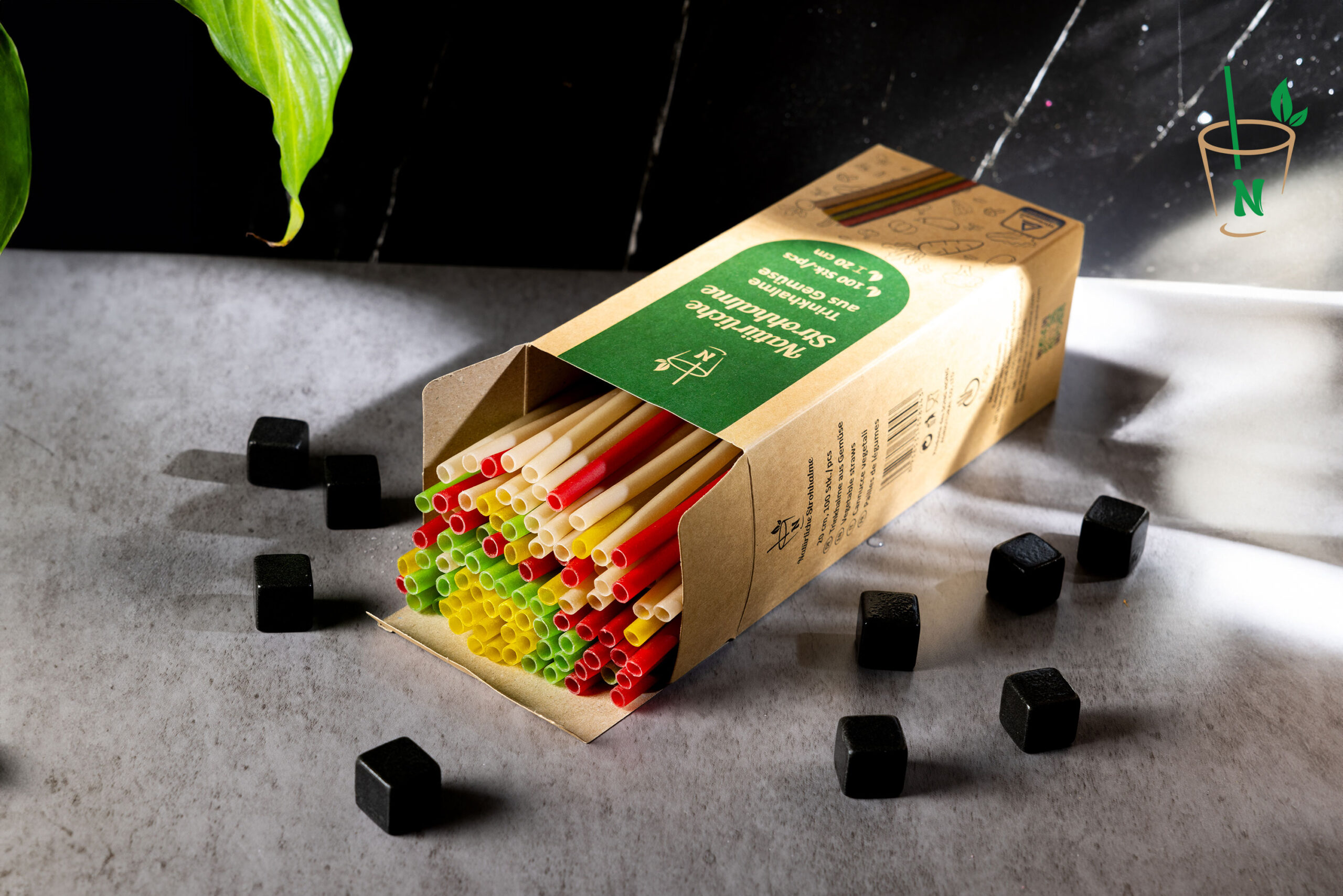
This is where our natural straws come in. We believe that true sustainability also means taking responsibility for the safety of the users. Compared to rigid metal straws, natural straws offer decisive advantages:
- Safety through flexibility: Unlike metal, our straws give way slightly under pressure. This significantly reduces the risk of injury during falls or sudden movements, making them the ideal choice for families and high-activity environments.
- Pleasant drinking experience: They do not conduct extreme heat or cold and offer a softer, more pleasant feel on the lips.
- 100% Plant-based and Edible: Our natural straws consist of purely plant-based ingredients, are tasteless, and can even be eaten after use.
- No Hygiene Stress: As a plant-based single-use product, there are no issues with hidden bacteria in hard-to-clean metal tubes. After use, they simply go into the organic waste.
Conclusion: Thinking Sustainability Holistically
Sustainability does not mean ignoring risks but making conscious choices. Metal straws were an important step away from plastic, but they are not the best solution for every situation.
For those seeking a solution that protects the environment while guaranteeing the comfort and safety of children, guests, and seniors, our products provide the perfect answer. With natural straws, you are choosing a thoughtful innovation that harmoniously combines ecological values and human safety.
Would you like me to generate a social media post (e.g., for Instagram or LinkedIn) to promote these safety benefits to your followers?
Jetzt auf Naturstrohhalme umsteigen und den eigenen CO₂-Fußabdruck beim Trinken aktiv senken!
Jetzt bestellenKontakt:
📞 +49 40 8707 6348
📧 info@natur-strohhalme.com
🌐 www.natur-strohhalme.com
Siehe auch: Vegetable Drinking Straws at Intergastra 2026: A Review of Innovation – Vegetable Straws
Danger of Metal? Why Natural Straws are the Safe Choice
Metal straws can be dangerous. Learn why natural straws made from plant-based materials are the...
Read moreVegetable Drinking Straws at Intergastra 2026: A Review of Innovation
Discover how our vegetable drinking straws took center stage at Intergastra 2026 in Stuttgart. An...
Read morehidden danger of glass straws: hidden danger of glass straws – what you need to know
hidden danger of glass straws: Viral TikTok video warns of splinters, injuries and hygiene risks....
Read morehome compostable versus industrial compostable: What really is compostable and how to dispose of it correctly
home compostable versus industrial compostable: Learn the real difference, which materials belong where, and why...
Read more4-bin system in Hamburg: 4-bin system in Hamburg for better waste separation and recycling
4-bin system in Hamburg: Learn how organic, paper, recycling and residual waste bins improve waste...
Read moreINTERGASTRA 2026: INTERGASTRA 2026 in Stuttgart – Natur-Strohhalme presents sustainable vegetable straws for gastronomy
INTERGASTRA 2026 in Stuttgart: Discover Natur-Strohhalme with sustainable vegetable drinking straws for gastronomy, hospitality and...
Read moreGreen Skills: How Green Skills Are Shaping the Sustainable Future of Work
Entdecken Sie, warum green skills wichtig für die Zukunft der Arbeit sind. Erfahren Sie, was...
Read moreWinter Skincare in Harmony with Nature: Tips for Healthy and Sustainable Skin
Discover how Winter Skincare in Harmony with Nature protects your skin from cold, dryness, and irritation. Learn...
Read more