
The municipal packaging tax is spreading in Germany. Learn how natural straws help businesses avoid extra fees, made from plant starch without any coating.  Municipal Packaging Tax: Avoid the Cost Trap with Natural Straws Natural straws are becoming more than just a plastic-free accessory in the era of expanding municipal packaging taxes, they are a strategic decision for gastronomy businesses. As more German cities follow the example of Tübingen by levying taxes on single-use items, business owners are facing a critical question: How can I reduce waste without compromising my margins through new taxes?. This article explores the development of the packaging tax and explains the unique role natural straws play in protecting your business from additional levies.
Single-Use Packaging: A Systemic Problem
The daily consumption of to-go products has left a massive mark on the environment in Germany. Every hour, approximately 320,000 disposable cups are used, totaling over 2.8 billion cups per year. This is supplemented by a vast amount of disposable cutlery and drinking straws that are often used for only a few minutes. This development has reached structural proportions:
- In Germany alone, over 346,000 tons of waste were generated annually from disposable tableware.
- The costs for cleaning littered parks and public squares burden municipalities with millions of euros.
- Voluntary measures by businesses often failed to achieve the necessary widespread impact.
 The Tübingen Model: Tax as a Management Tool
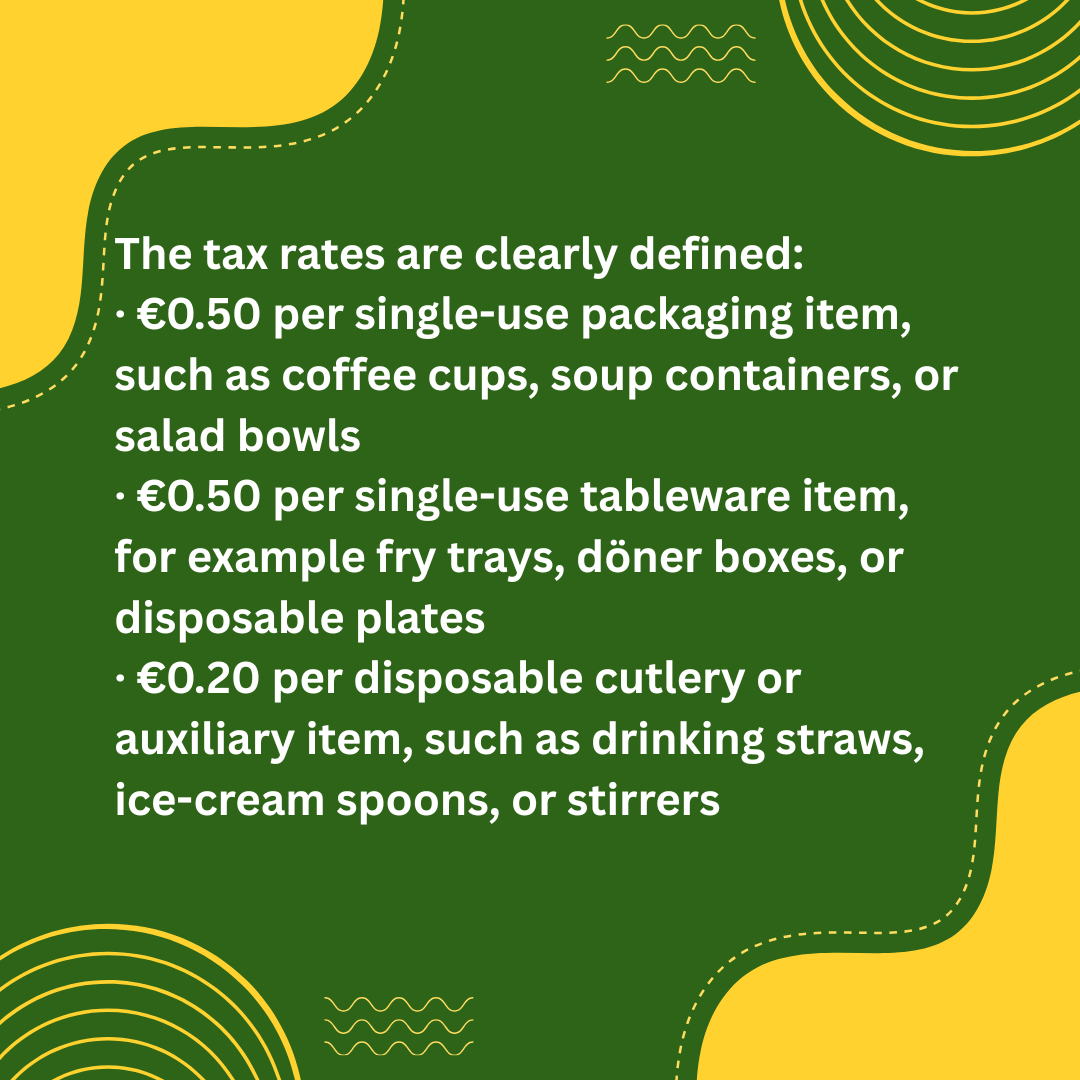
To relieve city cleaning services and force a real change, Tübingen introduced a municipal packaging tax in 2022 as a nationwide pioneer. The goal is clear: make single-use more expensive so that multi-use becomes more attractive. The tax rates are significant: 0.50 Euro per single-use container (e.g., bowls or cups). 0.20 Euro per single-use cutlery item or aid, such as drinking straws. Importantly, the material of the disposable item does not matter—paper, cardboard, or “bio-plastics” are all taxed equally if they are disposed of after a single use. High courts have already confirmed the legality of this tax, leading more cities like Heidelberg, Freiburg, and Konstanz to follow suit.
Why Natural Straws Occupy a Unique Position
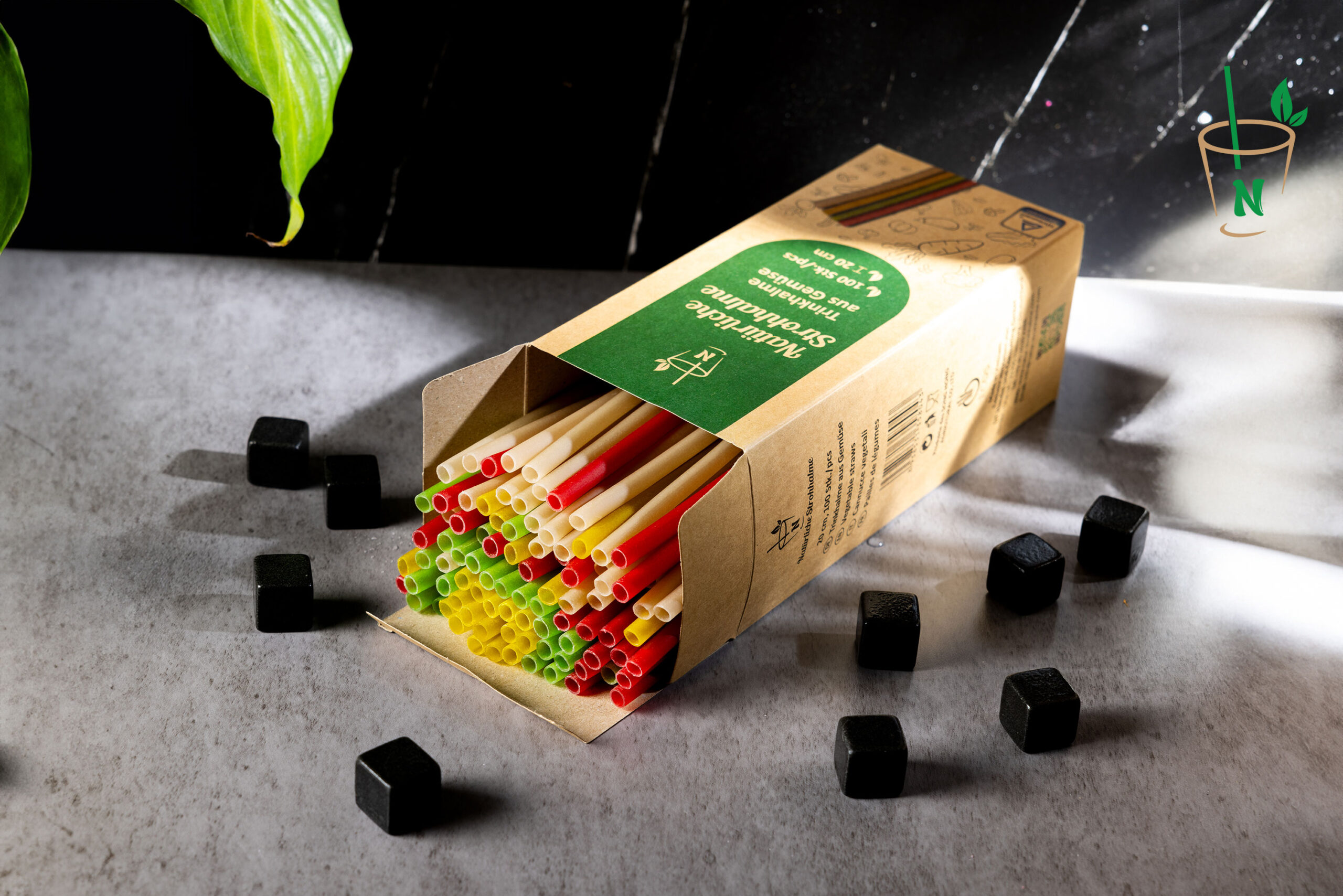
Restaurateurs are now searching for ways to avoid these costs. This is where natural straws come into play. Not every product intended for single use automatically falls under the tax obligation.Natural straws made from purely plant-based raw materials, such as tapioca or arrowroot flour, often enjoy a special status in practice:
- Made from Plant Starch: Where they go after use is for your waste provider to decide.
- No Littering: They are made from plant starch and carry no coating and no plastic.
- No Tax Burden: Since they are often not classified as classic, taxable single-use packaging in many statutes, they offer a simple way to serve drinks without triggering the 0.20 Euro surcharge per straw.
Conclusion: Act Today, Be Prepared for Tomorrow
The municipal packaging tax is evolving from an exception to the new normality. Businesses that switch early to intelligent alternatives like natural straws secure long-term advantages:
- Financial: Avoidance of additional taxes and bureaucratic effort.
- Image: Strengthening the brand profile among customers who increasingly value true sustainability.
- Security: Reducing the pressure to adapt before the tax becomes mandatory in your own municipality.
Choose a solution that is both ecologically sensible and economically wise. With natural straws, you position your business as a leader in a plastic-free and cost-efficient future. Do you want to make your business tax-secure and sustainable? Contact us today for an individual offer on our natural straws!
St. Martin and the art of sharing: an old idea for a new kind of hospitality
In early November, darkness falls early. And then, on an evening around 11 November, they...
Read morePaper straws: less green than you think. What a study from South Korea shows
When the plastic straw disappeared from Europe’s bars in July 2021, the paper straw was...
Read moreMicroplastics in the glass: what research says about beverages
A guest orders a still water, you serve it in a clean glass, nothing looks...
Read moreGuests with allergies at the bar: what they ask before they order
A guest sits down at your bar, glances at the cocktail menu and asks before...
Read moreCreative Halloween Decor with NaturStrohhalme: Have You Thought of This Yet?
For many bars and restaurants, Halloween is the one time of year when decor matters...
Read moreFederweißer, pumpkin, apple: the autumn menu 2026
Evenings are getting cooler, guests are trading Aperol for something warmer, and suddenly your bar...
Read moreA short history of the drinking straw, up to the natural straw
Some words give away their own origin, and the German word for drinking straw, „Strohhalm”,...
Read more57 % tapioca, 42 % arrowroot: what’s actually inside the straw
There’s one question almost every buyer asks us before placing a first pallet order: “So...
Read more